
The Gut–Skin Connection: Supporting Healthy Skin From The Inside Out
Healthy, radiant skin is rarely the result of a single product. It is built through consistent care, thoughtful formulation, and ingredients that respect the skin’s natural rhythms.
Natural skincare, especially when rooted in plant-based ingredients, works with the body rather than trying to force change. Botanicals support the skin barrier, help calm inflammation, and encourage balance over time. When skincare is approached this way, it becomes less about correction and more about nourishment.
What often goes unspoken is how deeply the skin is connected to what is happening beneath the surface. The skin is not an isolated organ. It is in constant communication with the gut, immune system, and liver, all of which influence inflammation, nutrient availability, and how resilient the skin is in the face of stress and environmental exposure.
This is where herbal medicine naturally fits into a plant-forward skincare philosophy. By supporting digestion, microbial balance, and elimination pathways, herbs help create the internal conditions that allow the skin to reflect health and vitality.
This relationship is known as the gut–skin connection. Once you begin to understand it, skincare expands beyond the surface and becomes a more complete conversation between the body, the plants, and the skin itself.
That’s the gut–skin connection, and once you understand it, skincare starts to look a whole lot simpler.
The Gut-Skin Axis: What It Is and Why It Matters
Your skin and gut might seem like two completely separate worlds. One keeps you warm, protects you from the elements, and is what people see first. The other quietly works away inside you, breaking down food and absorbing nutrients. But under the surface, they are connected in more ways than most people realize.
Both the skin and gut are in constant contact with the outside world. Both act like bodyguards, deciding what gets in and what stays out. Both are home to living communities of bacteria, fungi, and other microorganisms that help keep the peace, defend against troublemakers, and send messages to your immune system.
This conversation between the gut and skin is called the gut-skin axis. It is a two-way communication line that uses immune signals, hormones, nerve pathways, and even chemical byproducts from the microbes themselves. When the gut is calm and balanced, this connection supports clear, resilient skin. When something in the gut is off, it can send stress signals that show up on your skin.

Gut-Brain-Skin Axis ( Source Unknown)
Structurally, the two are more alike than you might think. Both have a surface layer of protective cells that act like a wall. Just below that, immune cells and connective tissues stand ready to respond to any threat. Both are richly supplied with blood vessels and nerves, allowing them to send and receive signals almost instantly. And both rely on the health and diversity of their microbiome to stay balanced.
When the gut microbiome is out of balance, a state called dysbiosis (which we cover later in this article), the effects can ripple outward. Researchers have found connections between dysbiosis and conditions such as psoriasis, eczema, rosacea, and acne. In psoriasis, certain helpful bacteria are found in lower numbers, while others linked to inflammation become more common. In eczema, there is often a drop in beneficial species that help regulate inflammation. In acne, diversity in the gut microbiome tends to shrink, while the skin’s microbial balance also shifts toward one that encourages breakouts.
Part of this connection comes down to immune messengers. Certain chemical signals, like IL-17, IL-22, and TNF-alpha, are involved in redness, swelling, and irritation. When the gut is not in good shape, these signals can increase, triggering skin flare-ups. Stress can also influence this loop by activating hormonal pathways that disrupt gut microbes and weaken the skin’s protective barrier.
The encouraging news is that this relationship works both ways. By improving gut health, we can often see improvements in skin health. When the gut-skin axis is in balance, skin tends to be calmer, less reactive, and more radiant — and that glow comes from the inside out.
First, let’s get acquainted with our gut-guests.
The Gut Microbiome: Foundation for the Gut-Skin Connection
When we talk about “gut health,” we are really talking about an entire living ecosystem inside us. This is the gut microbiome, made up of trillions of bacteria, fungi, and other microorganisms that live mostly in the large intestine. They are not just bystanders. They interact with our immune system, produce compounds our own cells cannot make, and help determine how our bodies respond to the world around us.
Who Lives There?
Most of the gut’s microbial residents belong to two major groups, called phyla: Firmicutes and Bacteroidetes. Together, they account for around ninety percent of the gut’s population. Other important groups include Actinobacteria, Proteobacteria, Fusobacteria, and Verrucomicrobia. Within these groups are familiar names like Lactobacillus, Bifidobacterium, Bacteroides, and Ruminococcus.
Some help break down complex plant fibers. Others produce short-chain fatty acids that calm inflammation. A few are involved in vitamin production, bile metabolism, and even neurotransmitter synthesis.
In a healthy gut, these communities exist in a flexible balance that shifts as we grow, change what we eat, or move through different stages of life. This balance starts the moment we are born. Babies delivered vaginally are coated in their mother’s microbes, which seed the gut early. Babies born via cesarean section begin life with a different initial microbial profile that can remain distinct well into childhood.
Why Diversity Matters
A healthy microbiome is not dominated by just a few species. It is diverse, with many different types of bacteria working together. Diversity makes the gut more resilient. It means that if one group is reduced by illness, medication, or dietary changes, others can step in to keep things running. Diversity also allows for a wider range of metabolic functions, from producing vitamins to maintaining a strong gut barrier.

Loss of diversity, especially alongside an overgrowth of certain species, is a warning sign. It is one of the hallmarks of dysbiosis, which, as mentioned before, is when the microbiome shifts away from a supportive, balanced community toward one that promotes imbalance or inflammation.
When Balance Tips: Dysbiosis
Dysbiosis can appear in different ways. Sometimes there is a loss of beneficial bacteria like Bifidobacterium or Lactobacillus. Other times, opportunistic or inflammatory species begin to dominate. Either way, the ripple effects can travel far beyond the gut.
Research has linked dysbiosis to skin conditions such as psoriasis, eczema, rosacea, and acne. In psoriasis, for example, gut diversity tends to drop while the skin microbiome shifts toward more inflammatory species. Eczema often involves lower levels of gut bacteria that help regulate inflammation, paired with an overgrowth of Staphylococcus aureus on the skin. Acne sufferers frequently have reduced gut diversity and changes in skin bacteria that make breakouts more likely.
The microbiome is sensitive to what we eat, how we live, and what we are exposed to.
-
Diets rich in plants and fiber encourage bacteria that produce short-chain fatty acids such as butyrate, which reduce inflammation, nourish gut cells, and strengthen the gut barrier.
-
Diets high in processed meats, refined carbohydrates, and excess saturated fat often reduce diversity, increase gut permeability, and promote inflammatory compounds like lipopolysaccharides (LPS).
-
Antibiotics can wipe out protective microbes along with harmful ones, leaving the gut less stable.
-
Stress, whether mental or physical, can change the microbiome’s composition in ways that affect immune signaling and skin health.
Why This Matters for Skin
The gut microbiome is a central player in immune regulation and inflammation control. When balanced, it supports clear, resilient skin by producing beneficial compounds, maintaining a healthy gut barrier, and keeping inflammation in check. When disrupted, it can send the immune system into overdrive, weaken the skin’s defenses, and trigger flare-ups.
The gut-skin axis is not simply a concept. It is a real biological connection, and the state of the gut microbiome can directly influence the way our skin looks, feels, and responds to the world.
Shared Patterns Between Gut and Skin Disease
The overlap between gut disorders and skin conditions is more than coincidence. Many people with inflammatory bowel disease (IBD) or celiac disease also live with skin issues such as psoriasis, eczema-like rashes, and painful skin ulcers. Rosacea often appears alongside small intestinal bacterial overgrowth (SIBO), and for some, improving gut health can ease those skin symptoms.
The Common Thread: Microbial Dysbiosis
These patterns point to a deeper connection: microbial dysbiosis. In both gut and skin, dysbiosis refers to a shift toward imbalance—reduced diversity, reduced stability, and fewer beneficial “peacekeeper” microbes.
In the gut, this imbalance has been linked not only to GI diseases like IBD and irritable bowel syndrome (IBS), but also to systemic conditions such as asthma, autoimmune disorders, cardiovascular disease, type 2 diabetes, and mood changes. When gut balance tips, the effects ripple outward, influencing nutrient metabolism, hormone activity, detoxification, and immune regulation.
Inflammation as the Bridge
Inflammation often acts as the bridge between gut and skin symptoms. Dysbiosis can set this process in motion by:
-
Increasing intestinal permeability (often called “leaky gut”)
-
Overactivating certain immune pathways such as Th1 and Th17 responses
-
Reducing the production of calming Treg cells
-
Decreasing beneficial metabolites like short-chain fatty acids (SCFAs)
With fewer SCFAs, the skin loses out on anti-inflammatory and barrier-supportive signals. The result is a body primed for irritation and a skin barrier more vulnerable to flare-ups.
Skin-to-Gut Connections
The relationship is not one-way. While an imbalanced gut can affect the skin, emerging research suggests that skin microbial shifts may also impact the gut. One striking example is Malassezia restricta, a fungus usually found on the skin. It has been detected in the intestines of some Crohn’s disease patients, where its presence is associated with more severe inflammation.
Conditions That Reflect the Gut-Skin Link
The associations extend beyond these examples:
-
Celiac disease is often linked to dermatitis herpetiformis and psoriasis.
-
Peutz–Jeghers Syndrome, a genetic GI disorder, can present with dark pigment spots around the mouth.
-
IBD may involve vasculitis, folliculitis, hair loss, or ulcerations that mirror the severity of gut inflammation.
A Shared Pathway
What ties these patterns together is the gut-skin axis as a shared immune, metabolic, and microbial pathway. When one end falters, the other often responds in kind.

Rebuilding Balance
The encouraging news is that balance can be restored. Studies show that improving the gut microbiota can benefit skin health. In animal studies, certain probiotic strains improved skin thickness, boosted hair follicle activity, balanced skin pH, and lowered inflammation. Some probiotics, such as Lactobacillus acidophilus, have reduced allergic skin inflammation and calmed overactive immune cells.
Human research supports these findings. Probiotics have shown promise for atopic dermatitis, psoriasis, acne, and rosacea. In one rosacea study, patients taking a mix of Bifidobacterium species alongside antibiotics had higher remission rates than those using antibiotics alone.
Dietary fiber is another powerful tool. When beneficial bacteria ferment fiber, they produce short-chain fatty acids like butyrate. Butyrate strengthens the skin barrier, speeds up skin cell turnover, and encourages the production of protective proteins and lipids. Lower butyrate levels are often found in children with eczema and in those who later develop allergic skin conditions.
Food and lifestyle are just one part of the picture. There is also an entire world of plant-based strategies that can help restore microbial balance, soothe inflammation, and strengthen both gut and skin barriers. In the next section, we will explore how herbs can work alongside diet and lifestyle changes to support the gut-skin axis from the inside out.
Herbal Strategies: Culinary Support for the Gut–Skin Connection
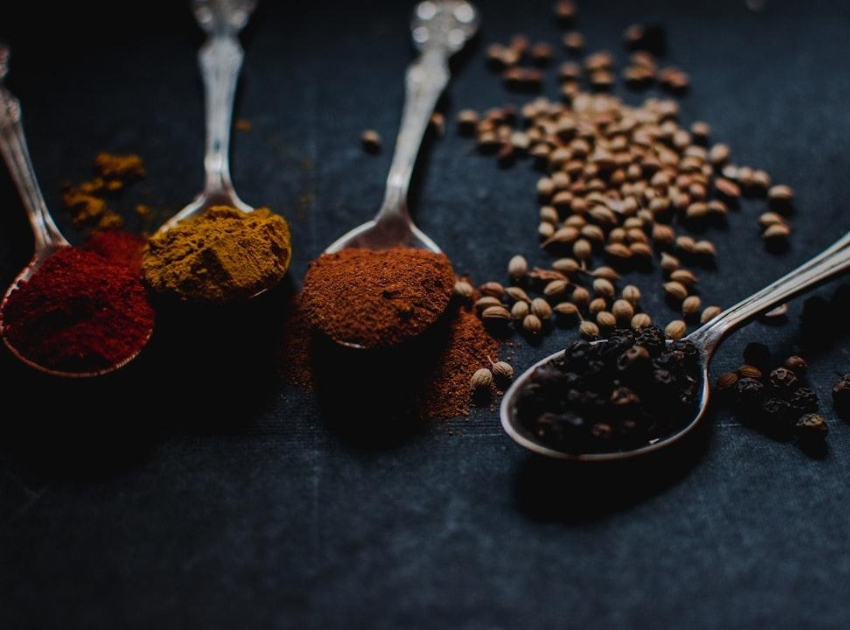
When we think about supporting the gut, it is easy to picture supplements or complex regimens. Some of the most effective tools, however, are already sitting in the spice cabinet. Culinary herbs and spices are not just flavor enhancers. They are quiet powerhouses for digestive and skin health.
Feeding Beneficial Microbes
Many herbs and spices have what is called prebiotic activity. They help feed beneficial gut microbes like Bifidobacteria and Lactobacillus, while keeping more troublesome bacteria in check. This shift in the gut microbiome can have ripple effects throughout the body, improving digestion, calming inflammation, and helping the skin maintain its natural resilience.
The Role of Polyphenols
Polyphenols—plant compounds abundant in herbs such as oregano, rosemary, cinnamon, and turmeric—are a big part of this story. They are not fully absorbed in the upper digestive tract, so they travel to the large intestine where gut microbes break them down into beneficial metabolites. This back-and-forth between plant compounds and gut bacteria helps maintain balance, strengthens the gut barrier, and supports healthy aging.
Measurable Changes in Weeks
Even at everyday culinary doses, research shows these herbs can shift microbial diversity in as little as two to four weeks. Some, like turmeric, encourage the growth of butyrate-producing bacteria. These microbes create short-chain fatty acids with anti-inflammatory benefits. Others, such as ginger and oregano, have been shown to reduce gut-related inflammation in both human and animal studies.
Flavor as a Daily Practice
Seasoning your food well is more than a matter of taste. It is an easy, daily way to nurture your gut ecosystem. When your gut is balanced, your skin often follows suit.
In the next section, we will look at burdock root, a traditional herbal ally for both digestion and skin that brings these concepts full circle.
 Photo by Pratiksha Mohanty on Unsplash
Burdock Root: A Gut and Skin Ally
Burdock root (Arctium lappa L.) has a long history in traditional medicine as both a digestive tonic and a skin supporter. Today, research is beginning to confirm what herbalists have known for centuries. This earthy root is packed with compounds that nurture the gut, calm inflammation, and help with skin concerns such as acne.
Targeted Antibacterial Action
Burdock contains natural antibacterial compounds that are particularly effective against certain Gram-positive bacteria, including those linked to acne. Unlike broad-spectrum antibiotics that can wipe out large numbers of beneficial microbes, burdock’s antibacterial activity appears more selective. This means it may help address problem bacteria without disturbing your body’s healthy microbial balance.
Some of these antibacterial effects come from special proteins called antimicrobial peptides (AMPs). These are part of the plant’s own defense system and remain active even in acidic environments, such as the skin’s natural pH. This makes burdock especially interesting for topical use in acne care, but it also means it could support skin health from the inside out when taken internally.
Antioxidant Protection
Beyond its antibacterial properties, burdock root has strong antioxidant activity. It can help neutralize free radicals, which not only contribute to skin aging but also play a role in inflammatory skin conditions. In laboratory studies, burdock extracts have shown the ability to scavenge free radicals and reduce oxidative stress—offering another layer of protection for skin cells.
Feeding the Gut Microbiome
Burdock is also a natural source of inulin, a prebiotic fiber that feeds beneficial gut bacteria such as Bifidobacteria and Lactobacillus. In animal studies, diets enriched with burdock inulin led to healthy increases in these microbes without negative side effects. A well-fed, balanced gut microbiome supports digestion, immune function, and skin health.
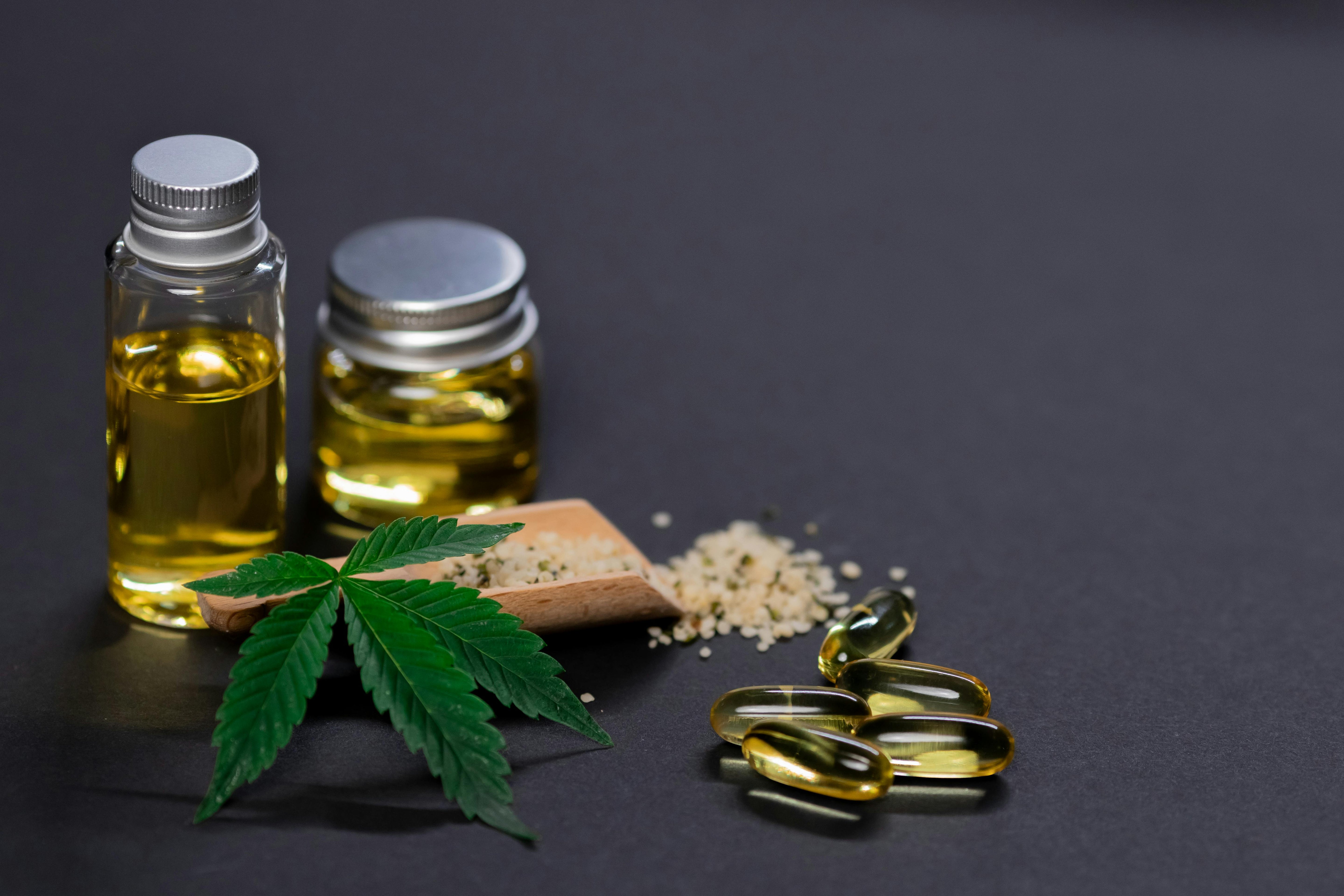
Photo by Jonathan Jensen on Unsplash
We often think of the gut and the skin as living in different worlds, one quietly working inside, the other on full display. But they have been in quiet conversation all along, mirroring one another in ways we are only beginning to notice.
The gut and skin do not just share a link. They share a language. And once you start listening for it, you cannot unhear it.
— Agy | The Buffalo Herbalist
Agy is an herbalist with an MSc in Herbal Medicine and an MD (non-practicing), and a doctoral student in integrative health. Her work focuses on the intersection of traditional herbal medicine, whole-body wellness, and skin health.
Learn more at The Buffalo Herbalist
@thebuffaloherbalist
The Buffalo Herbalist Substack
Bibliography:
Jimenez-Sanchez, M., Celiberto, L. S., Yang, H., Sham, H. P., & Vallance, B. A. (2025). The gut-skin axis: a bi-directional, microbiota-driven relationship with therapeutic potential. Gut Microbes, 17(1). https://doi.org/10.1080/19490976.2025.2473524
Lopez, M. F. S., Caicedo, P. a. B., Carval, H. M. O., Medina, A. F. T., & Granados, J. P. A. (2025). Relationship between Skin and Gut Microbiota Dysbiosis and Inflammatory Skin Diseases in Adult Patients: A Systematic Review. The Microbe, 100342. https://doi.org/10.1016/j.microb.2025.100342
Munteanu, C., Turti, S., & Marza, S. M. (2025). Unraveling the Gut–Skin Axis: The Role of Microbiota in Skin Health and Disease. Cosmetics, 12(4), 167. https://doi.org/10.3390/cosmetics12040167
Pradhan, S., Blanton, C., Ochoa-Reparaz, J., Bhattarai, N., & Sharma, K. (2024). Herbs and Spices: Modulation of gut microbiota for healthy aging. Gastroenterology Insights, 15(2), 447–458. https://doi.org/10.3390/gastroent15020032
Dahl, S. M., Rolfe, V., Walton, G. E., & Gibson, G. R. (2022). Gut microbial modulation by culinary herbs and spices. Food Chemistry, 409, 135286. https://doi.org/10.1016/j.foodchem.2022.135286
An, X., Bao, Q., Di, S., Zhao, Y., Zhao, S., Zhang, H., Lian, F., & Tong, X. (2019). The interaction between the gut Microbiota and herbal medicines. Biomedicine & Pharmacotherapy, 118, 109252. https://doi.org/10.1016/j.biopha.2019.109252
Miazga-Karska, M., Michalak, K., & Ginalska, G. (2020). Anti-Acne Action of Peptides Isolated from Burdock Root—Preliminary Studies and Pilot Testing. Molecules, 25(9), 2027. https://doi.org/10.3390/molecules25092027
Shyam, M., & Sabina, E. P. (2024). Harnessing the power of Arctium lappa root: a review of its pharmacological properties and therapeutic applications. Natural Products and Bioprospecting, 14(1). https://doi.org/10.1007/s13659-024-00466-8

Leave a comment
This site is protected by hCaptcha and the hCaptcha Privacy Policy and Terms of Service apply.